The moose are loose – collaborative study tracks collared moose in western UP
Researchers fitted 20 moose with GPS collars to study species’ survival challenges
By RACHEL LINCOLN, communications representative
and JOHN PEPIN, deputy public information officer
Michigan Department of Natural Resources
The moose population in the western Upper Peninsula has been a subject of great interest and conversation for decades. People want to know how many moose there are, where they are located and whether there will ever be an opportunity to hunt them.
This curiosity stems from Michigan’s efforts to restore moose to the region and the iconic status of the animal – a species many people have never seen.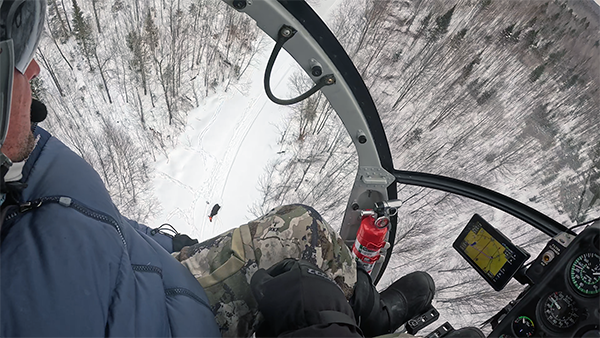
Once on the verge of disappearing from the state, moose were successfully reintroduced in the western Upper Peninsula from Canada in the mid-1980s.
Forty years later, their population has grown but failed to reach the goal initially hoped for of 1,000 animals by the year 2000. The population in this core moose area in the western U.P. grew steadily between 1997 and 2007 before slowing significantly.
The 2023 biennial aerial survey estimated 426 moose.
To better understand why the population has faltered, researchers recently embarked on an exciting study to investigate the movements and mortality of moose in the western U.P.
In late February, wildlife researchers from the Michigan Department of Natural Resources, Keweenaw Bay Indian Community and Northern Michigan University fitted 20 moose with GPS collars to track their location.
With the help of a skilled helicopter crew and fixed-wing spotter planes, the moose were located among snow-covered wetlands and forests.
read more: https://content.govdelivery.com/accounts/MIDNR/bulletins/3d7e6ff